
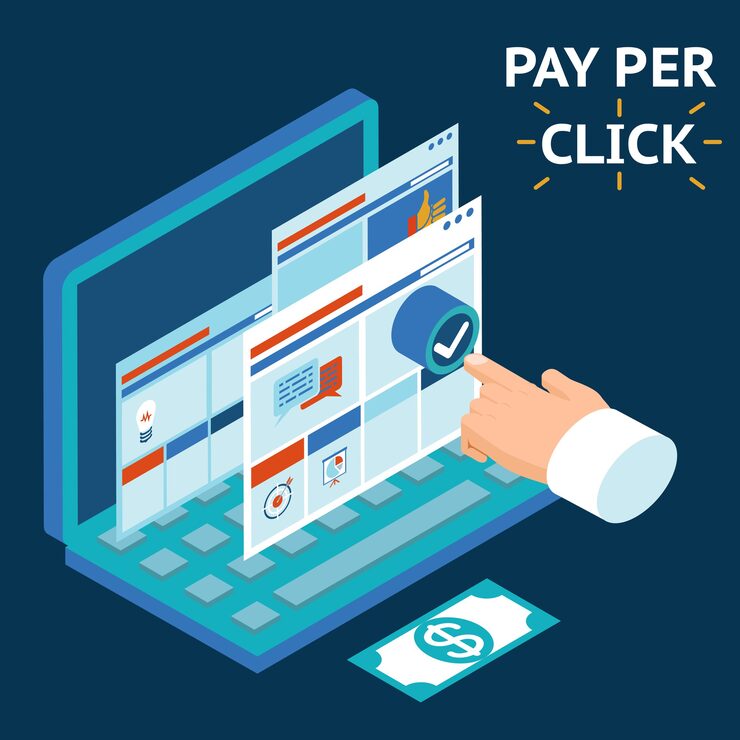

Have you ever wondered how some businesses appear at the very top of Google search results or why certain ads seem to follow you across websites and social media? That’s the power of pay-per-click advertising. Simply put, pay-per-click advertising is a method where businesses pay a small fee each time someone clicks on their ad, giving them instant visibility and targeted traffic.
In the modern, congested, digitised environment, merely possessing a website is insufficient. There are millions of companies competing online, and it can seem that it is not possible to stand out. SEO takes time as organic traffic, and it may take months before it begins to bear fruit. That is where PPC advertising is the solution to a huge issue. It enables companies to access their customers at the point of need when they need a product or service, both small start-ups or large enterprises.
Why is the issue so important? Due to time being money and the fact that you have lost a chance, that is the money. When using pay-per-click advertising, you are not making guesses as to who may be interested; you are placing your business in front of people who are searching and want what you are offering. It is very specific, quantifiable, and economical.
Just to think about having a campaign that you pay for when somebody engages with your business – this is the premise of PPC advertising. No blown-out impressions, no guessing games, and no wasted efforts, but instead directed efforts that can make sales, leads, and growth accelerate more so than the conventional marketing techniques.
In brief, pay-per-click advertising is not just a marketing tactic but a way out of the quandary of how to create a splash on the web, and businesses will find the right people at the right time and can afford the costs with ease.
What is Pay-Per-Click Advertising?
In its simplest definition, the pay-per-click advertising method is an online form of marketing in which a company pays a commission every time a customer clicks on an advertisement. Consider it as purchasing visits to your site and not making it through organic means.
By way of illustration, when you launch a campaign on the best laptops that cost less than 1000 dollars, your advert would be displayed at the top of Google search engines. As it is paid when someone clicks, it is cost-efficient and measurable.
The platforms that I, as an individual, use for paid search advertising agency campaigns include:
- Google Ads—the most popular platform for PPC
- Bing Ads / Microsoft Advertising – less competitive, great for high-intent traffic
- Facebook Ads—ideal for demographic targeting
- LinkedIn Ads—perfect for B2B campaigns
Why You Should Care About Pay-Per-Click Advertising
In today’s crowded digital marketplace, standing out is tough. Good SEO can help to rank with Google, but it may take months. That is where an advertisement service based on pay-per-click advertising is available.
I have witnessed how small businesses have expanded at a rapid rate when the combination of the PPC advertising strategy and organic SEO is implemented. This is because PPC has immediate results. When properly placed, your advertisements will be there, right at the point of interest for your targeted consumers.
Some key benefits I’ve noticed over my career include:
- Instant visibility on search engines like Google or Bing
- Targeted reach based on demographics, location, and user intent
- Control over budget and measurable ROI
- Ability to test campaigns quickly to find what converts best
Pro Tip: In case you are in need of knowing what pay-per-click advertising company to deal with, find the company that has a complete PPC management package that includes analytics and reporting. This makes sure that you are not merely running advertisements, but you are achieving the results.
How Keywords Work in Pay-Per-Click Advertising
| Keyword Type | Definition | Impact on PPC |
| Short-Tail | 1–2 word keywords | High search volume, more competition, higher CPC |
| Long-Tail | 3+ word keywords | Lower competition, highly targeted, better conversion |
| Broad Match | Ads show for variations of keywords | Wider reach may include irrelevant clicks |
| Phrase Match | Ads show for exact phrase + close variations | More targeted than broad, controls relevance |
| Exact Match | Ads show only for the exact keyword | Highest relevance, lower traffic, but higher CTR |
The most important element of any PPC campaign is keywords. Although they have been mentioned in your article, you have not described how to select the correct ones, their effects on ad placement, and the importance of long-tail and short-tail keywords. In the absence of this knowledge, the readers might not be aware of the significance of using the correct search terms.
What to include under this heading:
- Definition of PPC keywords.
- Long Tail vs. Short Tail Keywords.
- The impact of the choice of keywords on the cost and visibility of the ad.
- Pertinence of match types (Broad, phrase, exact) in targeting.
Benefit:
The readers get a clear picture of how the keywords will result in traffic and conversion, that enhances the SEO relevance of the article. This subtitle is naturally placed prior to the adherence of the step of picking the appropriate keywords, giving the reader a background to act.
How Does Pay-Per-Click Advertising Work?
In simple and easy-to-understand steps, using my practical experience, I have broken it down as follows:
Step 1: Choose the Right Keywords
Choose the appropriate keywords for your business. I tend to use long-tail keywords along with high-intent keywords.
Step 2: Bid on Keywords
PPC works like an auction. Each click has a maximum bid, which you set, and the ad platform chooses the placement depending on your bid and the quality of the ad.
Step 3: Create Compelling Ads
Your ad copy matters. Be concise with headlines and be descriptive and effective with the call to action (CTA). My personal practice is to A/B test my ads and identify the most converting ones.
Step 4: Optimize Landing Pages
The home page is not convertible, so the most successful advert will not be effective. Make sure that your opening page is also suitable for your advertisement and fast, and encourages action by the user.
Step 5: Monitor and Adjust
I monitor such performance indicators as the click-through rate (CTR), conversion rate, and cost per click (CPC) on a daily basis. Modifying bids, experimenting with new keywords, and refining ad copy make campaigns profitable.
Conduct Competitor Analysis
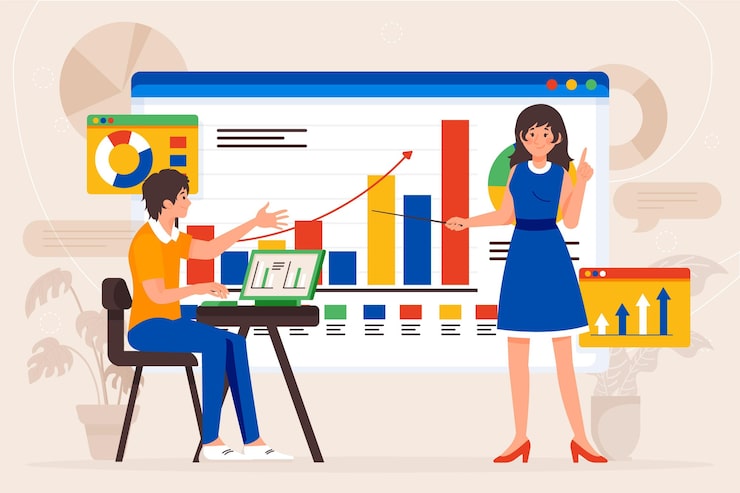
Your article doesn’t cover competitor research, which is essential for building a strong PPC strategy. Understanding competitors’ campaigns helps identify gaps and opportunities.
What to include under this heading:
- How to identify competitors’ top-performing keywords.
- Tools for competitor analysis (SEMrush, SpyFu).
- How to benchmark your ads against competitors.
Benefit:
Empowers readers to create strategically smarter campaigns, not just copy competitors blindly. It also reinforces the idea that PPC is about strategy, not just spending money.
How to Optimize Your Pay-Per-Click Ads
In your article, you do mention the ad monitoring, but you do not specifically advise the readers on how to optimise them. It is also important to optimise, as even well-directed campaigns may fail to perform their tasks well without adequate optimisation. Provide advice on better ad copy and ad headlines. Discuss the ad extensions like the site links and the call buttons.
Explain how to tune bids in case of better-performing keywords. Demonstrate trial and error of various creatives and messaging to determine the best. Actionable advice is provided to the reader on how to raise CTR, conversion rate and ROI. It is pragmatic and more practical, and the article is entrenched as a guide rather than theoretical.
A/B Testing
The article refers to testing but lacks a heading, and therefore, it may not be crucial to the readers. The A/B testing will also be significant in the optimisation of the ad copy and the landing pages. Here, explain how you are able to test the headlines, descriptions, and calls-to-action (CTAs).
How can you quantify the results of the tests to incorporate the click-through rate (CTR), conversion rate, and bounce rate, and how can you are able to apply the test results to optimise the campaigns? The paragraph illustrates to the readers a logical way of improving performance and makes the article more practical and plausible, citing the fact that PPC is a process of trial and error.
Evaluate Results with KPIs
Performance tracking is mentioned but not clearly framed. A dedicated section helps readers understand what metrics really matter.
What to include under this heading:
- Key metrics: CTR, CPC, conversion rate, quality score, and ROI.
- How to interpret data to make informed adjustments.
- Linking KPIs to campaign goals.
Benefit:
Gives readers a systematic approach to measuring success, making the article actionable rather than abstract. It also increases trust that the strategies are results-driven.
How Often Should I Monitor My PPC Campaigns?
Continuous optimisation is mentioned, but readers benefit from a clear schedule for monitoring campaigns.
What to include under this heading:
- Daily checks: CTR, budget spend, ad errors.
- Weekly checks: Keyword performance, bid adjustments, ad copy testing.
- Monthly checks: ROI analysis, A/B testing review, scaling campaigns.
Benefit:
Provides a practical monitoring routine, showing readers that successful PPC is proactive, not passive.
How Long Does PPC Take to Produce Results?
Your article explains that PPC is fast, but readers often want a clear timeline.
What to include under this heading:
- Typical time frames for seeing impressions, clicks, and conversions.
- Factors that influence speed (industry, competition, budget).
- Setting realistic expectations for ROI.
Benefit:
Helps readers plan campaigns realistically, preventing frustration or early abandonment. This improves user experience and engagement.
Types of Pay-Per-Click Advertising
In my experience, a well-rounded pay-per-click advertising strategy includes multiple ad types:
1. Search Ads
Search Ads are placed on search engines such as Google when the user enters certain queries. I usually rely on these to generate high-intent leads since searchers need a solution. They are effective in cases when the business is interested in the immediate outcomes, and you can target some very narrow keywords.
By using the appropriate pay-per-click advertising strategy, these advertisements will be able to bring highly qualified traffic to your site. I have observed over time that Search Ads have always achieved great ROI when used together with good ad copy and effective landing pages.
2. Display Ads
Display Ads are visual advertisements, pictures, or rich media that are shown on websites or applications within networks such as the Google Display Network. My primary aim of using them is to raise brand awareness and remind past visitors of our products.
Their ideal application is to resell to individuals who have been to your site but did not convert, so that they remember your brand. Display Ads pay-per-click advertising campaigns will make an impression on potential customers that will last long and create a professional impression. They are most effective when they are accompanied by clear messaging and an effective call to action.
3. Shopping Ads
The Ads are aimed at e-commerce companies, where the products are displayed in the search results and have graphics, prices, and ratings. These ads have allowed me to enable online stores to promote their best-selling products and get instant sales.
They are effective in that they allow people to know precisely what they are going to receive upon clicking, which increases their level of purchase. Shopping Ads PCP advertising using Google Ads enables one to target specific segments and track the ROI without any difficulties. This format can be seen to increase the rates of conversion among retailers in comparison to normal text advertisements.
4. Video Ads
Video Ads are accessible on platforms such as YouTube and other social media, and I prefer to use them as a tool of storytelling and brand interaction. They enable you to showcase products, receive customer testimonials, or make an emotional appeal to your audience. These advertisements are ideal when the brands are interested in getting attention and keeping it longer than the stationary adverts.
I have discovered that the Video Ads, in combination with the social media PPC campaigns, can greatly enhance recall of the brand and make people engage. By making the proper targeting, you will be in a position to reach your audience at the precise time when they are most responsive.
5. Social Media Ads
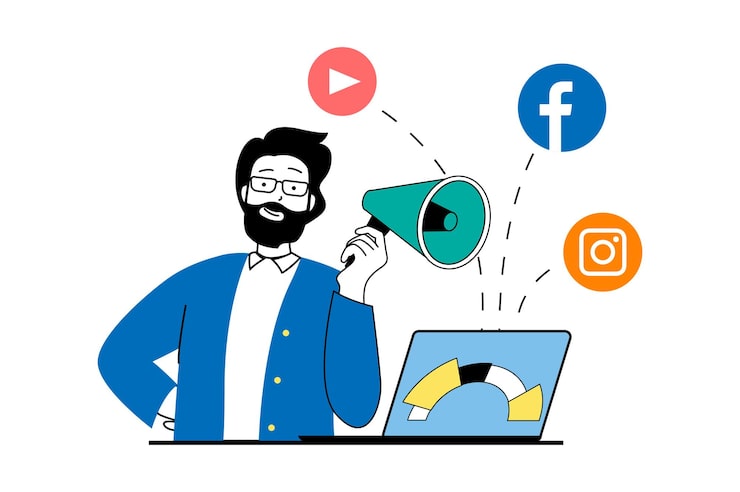
Social Media Ads include focused advertisements on such social networks as Facebook, Instagram, LinkedIn, and TikTok. I tend to use them to create leads, drive traffic, and reach very specific audiences using interests, demographics, and behaviours.
Such ads are effective in both B2C businesses and B2B businesses, where you want to create a community around your business brand. Social media with pay-per-click advertising services allows you to dial in your messages in real time and monitor every click, like, and conversion. They are not limited and enable creativity in both images and text.
6. Demand Generation Ads
A newer PPC format is the Demand Generation Ads, which are aimed at generating interest when the potential customers have not yet even searched for your product. I cater to these ads because I want to develop leads over a period, that is why I present them with visually appealing material on the internet, like YouTube, Gmail, or Discovery channels.
They are not concerned with immediate conversions as traditional ads are; they are interested in creating interest and awareness. The combination of pay-per-click advertising consulting for these campaigns enables me to find the appropriate audience and create ads that will be appealing. Particularly, they are effective at the apex of the sales funnel.
7. Remarketing Ads
Remarketing Ads will be used to advertise to those consumers who visited your site in the past and failed to make purchases. These ads are the most cost-effective techniques of boosting sales as they re-engage warm leads, as they already have knowledge of your brand.
By reminding them about the products or services that they saw, you are very likely to make the conversion more successful. Remarketing with the help of pay-per-click advertising companies will guarantee high accuracy in audience segmentation and audience messaging. With time, I have observed that remarketing advertisement always outplays most other types of advertising with respect to ROI.
Use the Right Tools
Tools are mentioned in passing, but a dedicated heading emphasises their importance. PPC success relies on the right software for research, tracking, and optimisation.
What to include under this heading:
- Keyword research tools: Google Keyword Planner, SEMrush, Ahrefs.
- Competitor analysis tools: SpyFu, iSpionage.
- Analytics and reporting tools: Google Analytics, Data Studio.
Benefit:
Provides actionable resources for readers. Helps beginners and pros alike run campaigns more efficiently and ensures the article serves as a practical guide.
Choosing the Right Pay-Per-Click Advertising Firm
Finding the right pay per click advertising firm is crucial. Here’s what I look for when hiring or recommending a firm:
- Expertise in ppc management packages and campaign setup
- Strong track record with platforms like Google Ads, LinkedIn, and Facebook
- Transparent reporting with pay per click account management
- Ability to scale campaigns while keeping cost per click low
Some reputable firms I’ve worked with or researched:
- Portland PPC Firm – specializes in local business PPC campaigns
- Detroit Pay Per Click – known for e-commerce campaigns.
- Paid Search Advertising Agency – offers strategic PPC planning.
Get Help with Your Pay-Per-Click Advertising Campaigns
Choosing a PPC firm or consultant is briefly mentioned, but without a heading, readers may skip over it. Many beginners struggle with execution and could benefit from guidance.
What to include under this heading:
- How to find a qualified PPC agency or freelancer.
- What to look for in terms of experience, reporting, and platform expertise.
- Pros and cons of outsourcing vs. managing in-house.
Benefit:
Adds credibility and authority to the article. It gives readers practical options for managing campaigns if they feel overwhelmed, making the guide more complete.
Advanced Tips for Effective PPC Campaigns
To make a successful PPC campaign, it is not possible to just create advertisements and manage a budget. In order to maximize your advertising budget, you need to use performance-enhancing strategies that maximize your returns and make your campaigns more effective.
Use Negative Keywords
Negative keywords are one of the important methods. These are the keywords that ensure that your ads are not displayed in irrelevant searches. It allows you to save your clicks and money on the people who are unlikely to become your target audience, because you can filter out terms that do not match your target audience. Avoiding negative keywords will help you to only advertise to very relevant prospects, and this will enhance the effectiveness and efficiency of your advertising campaigns.
Test Ads Frequently
The second major choice is to test advertisements regularly. A single ad copy or creativity should never be relied upon. It is possible to find out which variations work best by testing various headlines, descriptions, images, and calls to action by continually testing them. Such a cyclic system enables you to keep increasing the click-through rates (CTR) and conversion rates, so your advertisements would remain effective in the long run.
Track Conversions
The importance of conversion tracking is that the number of clicks is not enough. Conversions show whether or not your ads are truly causing any real actions, which may include purchasing, registering, or making enquiries. Follow-ups on conversions will assist you in knowing which ads, keywords, and audiences yield actual outcomes to enable you to invest your funds in what works the most.
Leverage PPC Tools
The appropriate PPC tools provide a competitive advantage. SEMrush, SpyFu, and the built-in analytics allow access to the competitor strategies, the performance of the keywords, and market trends. These tools will assist you in making evidence-based decisions, identifying key work-performing keywords, and finding opportunities that would not be revealed without the appropriate analysis.
Change Bids According to Performance
Lastly, it is important to change bids according to performance. In other cases, you can adjust your bid down on some keywords and achieve a better ROI by targeting a better quality of traffic and cutting out unneeded expenses.
On the other hand, bids on high-performing keywords should be increased to increase visibility and conversions. A routine review of data and updating bids is the way to make sure that your campaign is cost-effective and performance-focused.
Common Challenges and Mistakes to Watch Out For
Challenges are sprinkled in anecdotes, but a heading organizes them and makes them easy to digest.
What to include under this heading:
- High CPC in competitive industries.
- Click fraud and bot traffic.
- Over-reliance on a single ad format or platform.
- Not optimizing landing pages.
Benefit:
Prepares readers for real-world pitfalls, improving campaign success rates. It also positions the article as a comprehensive guide, not just theory.
FAQs
1: What is PPC and its difference between PPC and SEO?
PPC is a paid campaign where one pays in terms of clicks, whereas SEO is a free ranking. PPC provides immediate exposure, and SEO is time-consuming but may be a source of long-term traffic.
2: What is a good CPC (cost per click)?
A good CPC is industry-specific. My typical goal is to achieve a budget and ROI balance. Estimates are made with such tools as the Google Ads CPC Calculator.
3: Which is the correct PPC management firm?
Seek experience, openness, a track record, and good knowledge of your industry. Reviews of the check cases and reviews of the clients.
4: Are PPC campaigns expensive?
Prices are dependent on the competitiveness of the keywords and industry. Begin small, observe outcomes, and increase step by step. Appropriate account management, which includes paying per click, is cost-effective.
5: Which are the most favourable platforms of PPC?
These include Facebook Ads, LinkedIn Ads, Taboola, and other emerging platforms. Select according to your audience. Select according to your campaign objectives.
Conclusion
Since you have a clear idea of what pay-per-click advertising means, you are not just speculating how PPC operates, but you know how to apply it in a strategic way. PPC is not just a matter of paying for clicks, and it is a system that provides immediate exposure, high-intent traffic, and measurable performance when properly implemented.
Whether it is the selection of the appropriate keywords or landing page optimization, conversion tracking, or expensive errors, each measure you take will make you closer to creating profitable, scalable PPC campaigns.
But here’s the truth:
The success of PPC is not about running advertisements, but about controlling them in the best manner. The finest campaigns may end up spending money rather than producing some outcome without adequate targeting, bidding, testing, and analytics.
That is why the businesses that do not neglect PPC either:
retain an experienced pay-per-click advertising partner, or
outsource to a reputable PPC service provider that can stretch a dollar.
—since campaigns based on experts are more conversational, more scalable, and less expensive.
If you’re ready to:
🔥 lower your CPC
🔥 increase high-quality leads
🔥 drive consistent conversions
🔥 and eventually achieve a good ROI through PPC.
